
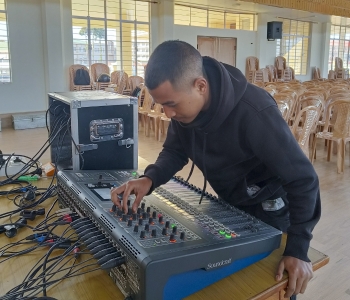
Sound Engineering in India: A Complete Guide
Sound engineering in India has grown from a small, studio-bound craft into one of the most exciting creative-technical careers in the country. From film and OTT content to live concerts, podcasts, gaming and advertising, every industry now needs skilled audio professionals. If you are exploring sound engineering in India or planning a career in audio engineering in India, this guide covers what the field involves, the skills you need, career paths, salaries and how to get started with Audiotech Academy.
What Is Sound Engineering?
Sound engineering (also called audio engineering) is the technical and creative practice of recording, editing, mixing and mastering sound. A sound engineer captures audio at its source, shapes it using tools like equalisers, compressors and reverb, and delivers a final mix that sounds clear and balanced on every device — from cinema speakers to earphones.
The role blends physics, electronics and music. You need a trained ear, comfort with digital audio workstations (DAWs) such as Pro Tools, Logic Pro and Ableton Live, and an understanding of acoustics, signal flow and microphone technique.
Why Sound Engineering in India Is Growing
- OTT and film boom: Streaming platforms produce content in many Indian languages, all needing dialogue editing, sound design and mixing.
- Live events: Concerts, festivals and corporate shows have returned strongly, creating demand for live sound engineers.
- Podcasts and creators: India is one of the fastest-growing podcast markets, and creators increasingly hire audio professionals.
- Advertising and gaming: Jingles, voice-overs and game audio are steady sources of freelance work.
Career Paths in Audio Engineering in India
After training in sound engineering in India, common roles include:
- Studio Recording Engineer
- Mixing and Mastering Engineer
- Live Sound / FOH Engineer
- Film and OTT Re-recording Mixer
- Sound Designer for film, games and animation
- Broadcast and Podcast Audio Engineer
- Music Producer
Skills You Need
A strong foundation in audio engineering in India includes critical listening, microphone and preamp knowledge, DAW proficiency, mixing fundamentals (gain staging, EQ, dynamics, spatial effects), basic acoustics, and an understanding of delivery standards for film, streaming and music platforms. Soft skills matter too: session etiquette, communication with artists, and time management under deadlines.
Salary Expectations
Entry-level sound engineers in India typically earn around ₹2–4 lakh per year. With three to five years of experience in studios, live sound or post-production, earnings often rise to ₹6–12 lakh. Experienced re-recording mixers, music producers and touring engineers can earn significantly more, and freelancers who build a strong client base often exceed salaried averages.
How to Start Your Career
- Get structured training: A hands-on diploma teaches faster than self-study alone.
- Practice daily: Record friends, mix free multitracks, and analyse professional releases.
- Build a portfolio: Three to five polished mixes across genres.
- Intern and assist: Studio and live-event assisting builds real-world speed.
- Network: Musicians, filmmakers and event companies are your future clients.
Study Sound Engineering with Audiotech Academy
Audiotech Academy offers practical, industry-focused training in sound engineering in India, covering studio recording, mixing, mastering, live sound and music production. Students learn on professional equipment and industry-standard DAWs, guided by working engineers, so they graduate ready for studios, stages and post-production houses.
Whether your goal is film sound, music production or live events, structured training in audio engineering in India is the fastest route from enthusiast to professional.
Conclusion
Sound engineering in India is a career with real demand, creative satisfaction and clear growth. With the right training, consistent practice and a solid portfolio, you can build a lasting career in audio engineering in India across music, film, OTT and live entertainment.