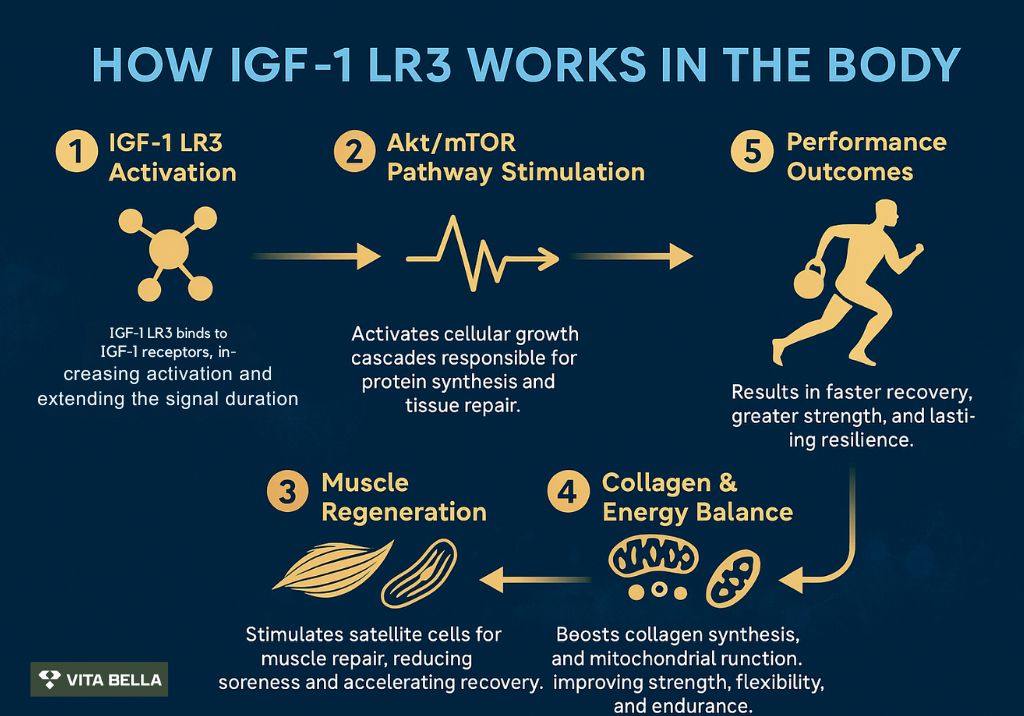
igf-1 lr3 side effects lethargy ⚠️ Still training hard but not seeing results? Your recovery hormone might be missing. is one of the most powerful peptides used in advanced performance & longevity protocols — when Dr. Greg Jones, NMD, ABAAHP
Description
doi: 10.1016/j.ajo.2004.10.021

[DOI] [Google Scholar] Kaur, I

Following identification of candidate oxidative stress biomarkers through discovery proteomics, MRM/SRM provides robust, reproducible, and high-throughput quantification essential for validation in larger clinical cohorts
(2000), Horm Res 53(Suppl 3), PubMed 10971106 Statistics from preclinical literature AOD-9604 = modified fragment of hGH 177191 + N-terminal Tyr (sequence Tyr-Leu-Arg-Ile-Val-Gln-Cys-Arg-Ser-Val-Glu-Gly-Ser-Cys-Gly-Phe), molecular weight 1815.1 Da Developed at Metabolic Pharmaceuticals (Australia) based on the work of professor Frank Ng (Monash University) in the 1990s Standard experimental dose in obesity clinical trials: 1 mg/day subcutaneously (Phase 2b, Heffernan et al.) Mechanism: stimulation of 3-adrenergic receptors in adipose tissue, increased lipolysis and fatty acid oxidation without activation of the hGH receptor (no IGF-1 increase) Phase 2b clinical trial (2007, 300 patients): weight reduction ~2.8 kg vs placebo over 12 weeks FDA status: NDI rejection (2014) as a dietary supplement

Cell Rep (2019) 27(10):596610