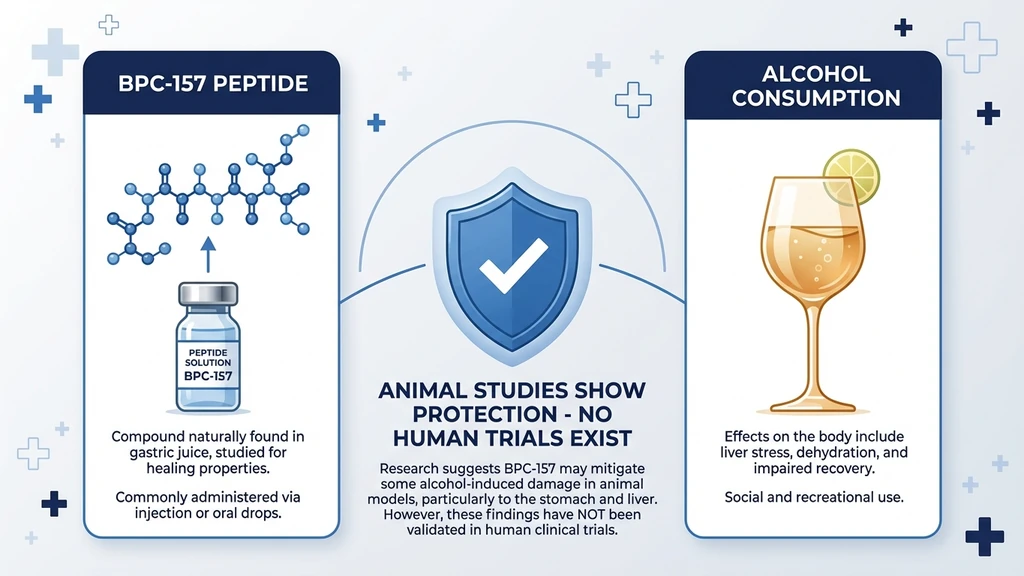
bpc-157 clinical trial safety | Preclinical Toxicology Data and Research Laboratory Guidelines BPC 157 Dosage: A Doctor's
Description
This protocol approaches the upper bounds of documented use and should not be exceeded without specific medical supervision

Regulatory status: Not approved for human therapeutic use by the FDA or other regulatory agencies Available for research purposes only Not intended for human consumption outside research settings Requires appropriate institutional oversight for human research Sports and anti-doping: The AOD9604 banned status in competitive sports is important: Prohibited by the World Anti-Doping Agency (WADA) Banned in most competitive sports Athletes subject to drug testing should not use it Researchers working with athletes must ensure compliance Violations can result in sanctions and disqualification Why AOD9604 is banned: Classified as a growth hormone fragment Potential performance-enhancing effects through fat loss Banned under WADAs S2 category (Peptide Hormones, Growth Factors) The prohibition applies to in-competition and out-of-competition testing Research ethics: Informed consent is essential for any human research Full disclosure of known risks and benefits Appropriate institutional review board (IRB) approval Adherence to good clinical practice (GCP) guidelines Proper documentation and safety monitoring Transparency about regulatory status and limitations Risk Mitigation Strategies To minimize risk during research with AOD9604: Protocol design: Start with lower doses and escalate gradually Use the shortest duration necessary for the research objectives Include appropriate control groups Plan for comprehensive safety monitoring Set clear stopping criteria for safety concerns Include washout periods if appropriate Subject selection: Careful screening to exclude high-risk individuals Thorough medical history and physical examination Baseline laboratory testing Assessment of contraindications Exclusion of vulnerable populations without appropriate protections Monitoring and follow-up: Regular safety assessments during research Prompt attention to any adverse effects Documentation of all safety findings Follow-up after research completion Long-term monitoring if indicated by findings Quality assurance: Use pharmaceutical-grade peptide from reputable sources Verify peptide identity and purity through testing Proper storage and handling to maintain quality Accurate dosing and administration Sterile technique for all injections Regular equipment calibration and maintenance Emergency Preparedness Research protocols should include plans for managing potential emergencies
Symptoms of B12 deficiency can include fatigue, weakness, pale skin, shortness of breath, dizziness, memory problems, mood changes, and tingling or numbness in the hands and feet
Martin TG, Corzo K, Chiron M, Velde HV, Abbadessa G, Campana F
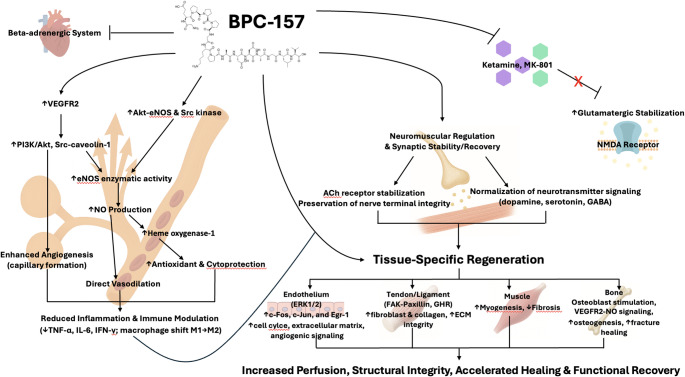
BPC-157 (Body Protection Compound-157) is een synthetische peptide bestaande uit 15 aminozuren, afgeleid van een natuurlijk beschermend eiwitfragment dat voorkomt in het maagdarmkanaal